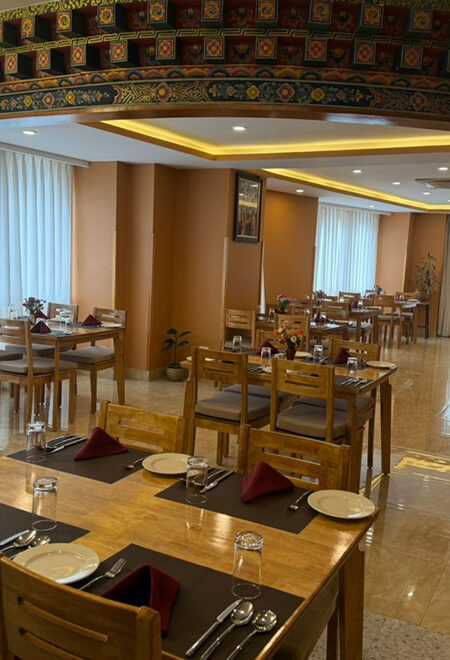
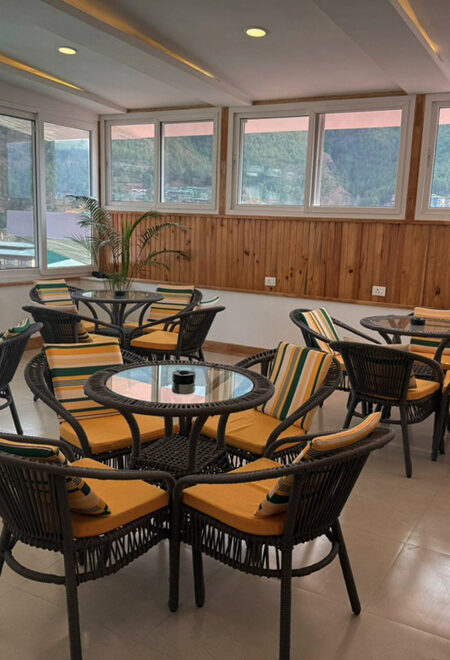
In the hospitality industry, the three areas with the most environmental impact are water, waste and energy use. By implementing three sustainable practices will lessen the negative impact on the environment. The long-term goal should be to embed sustainability into business models and transition toward a more circular practice. This is what we implement at our hotel.
Energy Efficiency
Energy use is a major part of a hotel’s carbon footprint thus making efficiency upgrades essential. Simple changes like installing LED lighting, turning out lights after guests leave and automated energy management systems help cut unnecessary energy use while maintaining the comfort of our guests.
Water Conservation
We’ve cut water waste with simple upgrades like low-flow fixtures, installed a system which maintains constant shower pressure, and our maintenance department is right on task when plumbing issues arise. We’ve installed high efficiency washers and dryers to reduce energy and water waste. We encourage our guests to reuse towels if they’re only staying with us for a night or two. And our staff is trained to spot and fix inefficiencies and wastage.
Food Waste
We practice an effective food waste management system. Fresh, seasonal perishable items are purchased on a daily basis since we’re located in the heart of Thimphu city and within walking distance to local fruit and vegetable stores. We practice proper storage of foods and goods in temperature controlled refrigeration systems as this is vital in reducing waste and preserving freshness.
Naksel Urban Hotel & Spa represents sustainable dining by seamlessly integrating Eco conscious practices into its daily operation. This commitment to local sourcing not only ensures high quality ingredients but also fosters a deeper connection between diners and the environment.